Market Insights & Salary Report for Dealerships
27 Mar, 2026



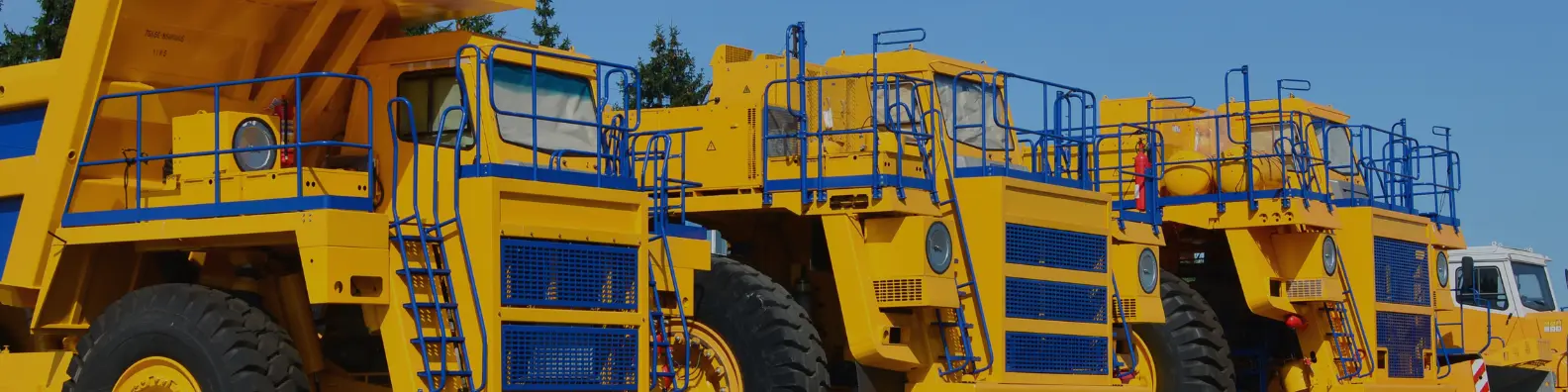
Heavy-duty construction equipment faces very different demands from conventional long-haul freight vehicles. Vocational fleets operate in severe-duty environments, where dump trucks, concrete mixers, and heavy haulers must cope with heavy payloads and difficult site conditions. While motorway transport prioritizes fuel efficiency, reliability and availability are more important factors for construction equipment.
Rising replacement costs and stricter emissions requirements are changing how contractors approach fleet investment. Major infrastructure projects are also increasing demand for specialist vehicles, while shortages of experienced operators make productivity harder to maintain.
For equipment manufacturers and dealerships, the focus is shifting towards helping customers get more from their existing fleets, with technology and aftermarket support becoming increasingly important.
In this article, we explore the key trends shaping the heavy-duty construction equipment market and the firms leading the way.

Predictive telematics is changing how construction fleets manage maintenance by giving operators the ability to identify developing faults before they take equipment out of service. The construction equipment telematics market is projected to reach $22.5 billion by 2035, growing at a CAGR of 11.2%.
For years, the maintenance process has been mostly reactive, but connected equipment now allows teams to monitor vehicle health remotely and arrange intervention before a component failure causes an unexpected breakdown. Reducing unnecessary idling can improve fuel efficiency, while better maintenance planning helps prevent unexpected downtime. Across larger fleets, both factors can significantly decrease operating costs.
Dealerships are beginning to build their aftermarket services around this information. Instead of waiting for a customer to report a fault, service teams can anticipate when a vehicle needs attention and have the necessary parts ready before it reaches the workshop. Some are also using connected vehicle data to support uptime agreements, giving customers greater confidence that equipment will remain available when projects depend on it. With experienced technicians difficult to recruit, the ability to diagnose problems remotely and allocate resources effectively is becoming a key competitive advantage.
Heavy-duty electrification is progressing, but adoption across construction fleets is mixed. Smaller utility vehicles are easier to transition to electric power, whereas heavy dump trucks and concrete mixers face challenges around battery weight and the demands of a full working shift.
For contractors, buying an electric vehicle is only worthwhile if it can perform the same job as its diesel equivalent. Charging requirements can make this difficult, particularly on remote construction sites where reliable power infrastructure may not be available.
Fleet-as-a-Service (FaaS) offers another way into the market. Rather than purchasing vehicles and managing the technology themselves, contractors can pay a monthly fee covering the chassis, charging infrastructure, and ongoing maintenance. Software can also be included, giving customers a more complete fleet solution without the same upfront capital commitment.
Leasing providers and dealership networks take greater responsibility for managing battery degradation and the long-term value of emerging technologies, rather than leaving contractors exposed to uncertain resale values. This changes the commercial relationship between dealerships and customers, with revenue becoming less dependent on individual vehicle sales and increasingly supported by ongoing service agreements.
For heavy haulers and construction trucks above 16 tonnes, carrying enough battery capacity without reducing payload remains a significant challenge. As a result, hydrogen is increasingly attracting investment as another alternative to diesel.
Fuel Cell Electric Vehicles (FCEVs) and Hydrogen Internal Combustion Engines (H₂-ICE) offer two different approaches. FCEVs generate electricity from hydrogen to power an electric motor, making them a potential option for heavy vehicles that require increased operating ranges. H₂-ICE adapts conventional combustion engine technology to use hydrogen as its fuel.
The latter is becoming particularly attractive to established manufacturers because it builds on existing engine production expertise. It also offers a more familiar technology for dealerships and maintenance teams to support, although specialist training is still required.
It’s therefore no surprise that the heavy-duty hydrogen truck market is expected to grow at a CAGR of 43.9% to reach $131.64 billion by 2033. However, adoption depends on the availability and cost of refuelling infrastructure. Until contractors can access hydrogen reliably, switching away from diesel will remain difficult.

Advanced Driver Assistance Systems (ADAS) are becoming an important part of heavy-duty vehicle design as they help operators manage the risks associated with large trucks working in busy construction environments.
There is an important difference between full autonomy and driver assistance. Autonomous vehicles are better suited to controlled environments such as mines and quarries, where routes and operating conditions are more predictable. Active civil construction sites are much harder to automate, so manufacturers are concentrating on technology that helps drivers rather than replacing them.
Radar-based blind-spot monitoring and LiDAR collision avoidance can improve visibility around large vehicles, particularly when maneuvering in confined spaces. Automated grade control also helps operators achieve greater accuracy during earthmoving work, which reduces the potential for costly mistakes.
The shortage of experienced operators makes this technology particularly valuable. Systems that provide additional guidance can help less experienced drivers handle complex equipment more confidently.
The rising cost of new equipment is making ownership a more difficult decision for contractors. With financing conditions adding further pressure, construction truck rental and leasing are becoming attractive alternatives for businesses that need to manage their fleet expenditure more carefully.
Rental allows contractors to bring in additional vehicles when project requirements increase without committing to a permanent fleet expansion. It can also reduce exposure to depreciation, particularly when businesses are unsure how quickly equipment technology will evolve.
This demand is contributing to consolidation across vocational truck dealerships. Larger operators are acquiring regional businesses to extend their geographical reach and compete for a greater share of the rental and aftermarket market.
Supporting modern heavy-duty vehicles requires dealerships to spend heavily on diagnostic technology and technician development. The transition towards electric and hydrogen-powered equipment will add further costs, making it harder for smaller independent operators to compete without the backing of a larger network.
Expanding a dealership footprint does not automatically improve its service offering. The ability to integrate operations and maintain consistent standards across locations determines whether consolidation delivers the intended commercial benefits.
Both Peterbilt and Kenworth, part of PACCAR, have strong positions in the North American vocational truck market. Their heavy-duty chassis are widely used across construction applications, and their investment in connected vehicle technology, including Peterbilt's SmartLINQ, reflects the growing importance of remote diagnostics and vehicle uptime.
Volvo and Mack also have established positions in heavy-duty construction, particularly across applications that require a strong chassis and reliable performance in demanding environments. Mack's vocational range mainly benefits dump and mixer applications, while Volvo's connected services support fleet monitoring and maintenance planning. Their continued development of alternative powertrains makes them even more attractive as contractors target lower-emission equipment.
Freightliner and Western Star, both part of Daimler Truck North America, serve different parts of the commercial vehicle market. Western Star has a particularly strong presence in severe-duty applications, with models such as the 49X designed for demanding construction and vocational work. Its focus on durability and driver technology reflects the need to balance equipment performance with the safety requirements of modern sites.
Rush Enterprises has become one of North America's largest commercial vehicle dealership groups, with a significant aftermarket operation supporting its manufacturer relationships.
Murphy-Hoffman (MHC) and Vanguard Trucks are also established names in the commercial truck dealership market. Their regional networks provide access to new and used vehicles alongside the servicing capabilities that vocational customers depend on.
Ryder operates in a different part of the market, providing commercial vehicle leasing, rental, and fleet management services. Its model reflects the growing demand from contractors for access to equipment without taking on the costs and responsibilities of ownership.
As the construction equipment market evolves, having the right talent in place will be essential to turning investment and technological progress into commercial value.
At CSG Talent, our Heavy-Duty Trucking and Transportation recruitment specialists have established networks across OEMs, vocational truck dealerships, leasing businesses, and aftermarket providers. This sector knowledge helps us identify candidates with the experience needed to lead businesses through changing market conditions.
Contact CSG Talent to secure senior-level heavy-duty construction equipment talent.


