Drop off your CV
We'd love to hear from you. Send us your CV and one of our specialist consultants will be in touch.


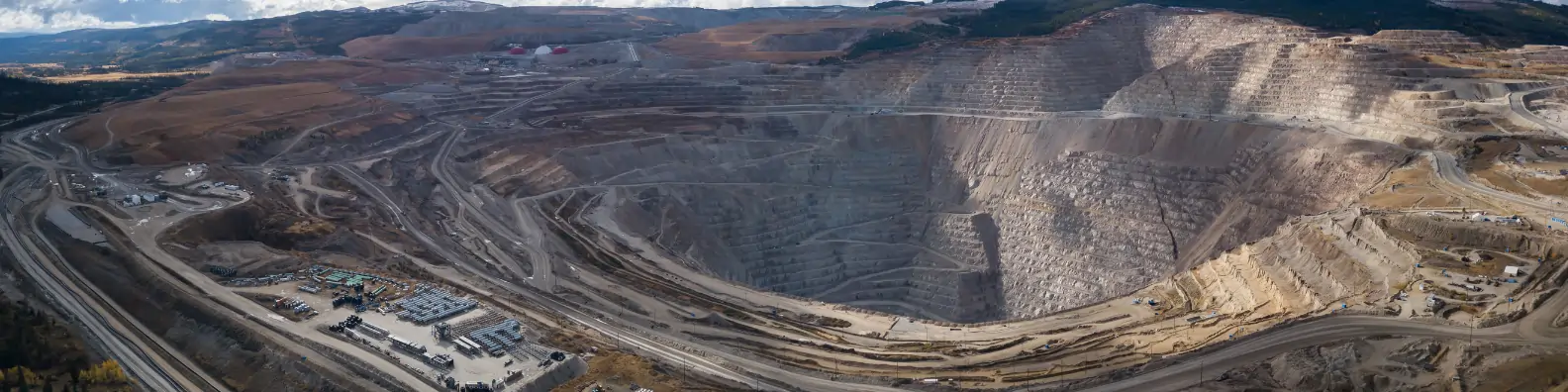
Australia is currently going through one of the most significant resource investment cycles in its recent history, with over 430 major resource and energy projects currently under development and total committed investment of approximately $62 billion.
However, the industry is facing a major talent shortage that is threatening the delivery of projects that have already been funded and scheduled. Time-to-hire for senior technical roles is increasing as candidate pools become more limited and competition intensifies. At the same time, counteroffer activity has become more aggressive as employers work harder to retain critical talent. In 2026, the most significant risk to Australian mining operations is vacancies in high-impact leadership and technical roles.
In this article, we explore the causes of Australia’s mining talent crisis and the growing impact this is having on project timelines, operational performance, and leadership capability.
Contact CSG Talent to attract and secure senior-level talent.
Australia needs lithium, copper, and nickel at scale to support the global energy transition, but the industry responsible for extracting those materials is struggling to attract the talent who will determine the success of that transition.
The pipeline issue starts at the entry level, as professionals entering the workforce today have grown up with an overall negative perception of what a mining career looks like. The industry is associated with remote sites, physical difficulty, and environmental scrutiny that makes it less attractive than it once was.
The early-career professionals with the relevant technical skills in engineering, geology, data science, and environmental management are more attracted to companies in adjacent industries like tech and energy that can offer urban offices and flexible working arrangements. The sector that is essential to building a greener global economy has not yet successfully positioned itself to attract the generation of professionals who care most about it.
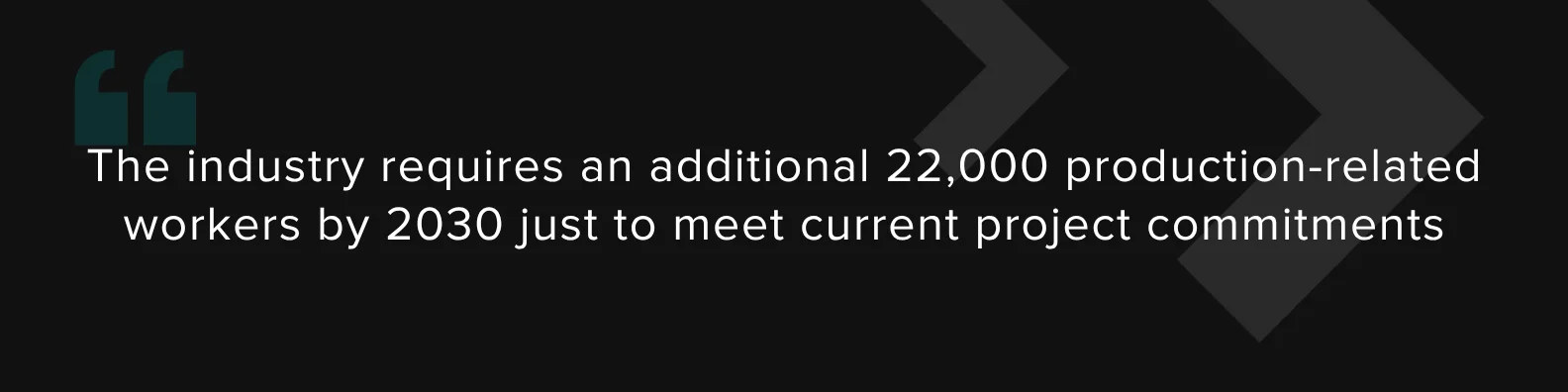
While the entry-level pipeline is a long-term problem, the retirement wave hitting Australian mining right now is an immediate one. A significant proportion of Australia's most experienced project directors, principal geologists, mine managers, and senior metallurgists are approaching retirement age, and the rate at which that institutional knowledge is leaving the industry is accelerating. The industry requires an additional 22,000 production-related workers by 2030 just to meet current project commitments.
When an experienced industry expert reaches the end of their career in a region such as the Pilbara or Hunter Valley, they take with them specialist knowledge such as the specific behaviour of that ore body through multiple commodity cycles. That knowledge was built over decades of direct experience, and it cannot be uploaded into a system or transferred overnight.
The mid-career professionals who would most likely step into these gaps are also in short supply. The lower commodity prices that ran through much of the 2010s reduced graduate intake across the industry, which means there is a structural gap in the workforce that should now be ready to move into senior leadership roles. The demand for experienced leaders is multiplying at the exact moment when the supply of people ready to fill those roles is most limited.
The FIFO model has always required a big commitment from mining professionals, but for many years the financial rewards were enough to make that commitment attractive. However, many FIFO workers now prioritise a more balanced model over a higher salary. Professionals are increasingly seeking formats like 8:6 or 2:2, as they are better for personal health and family life.
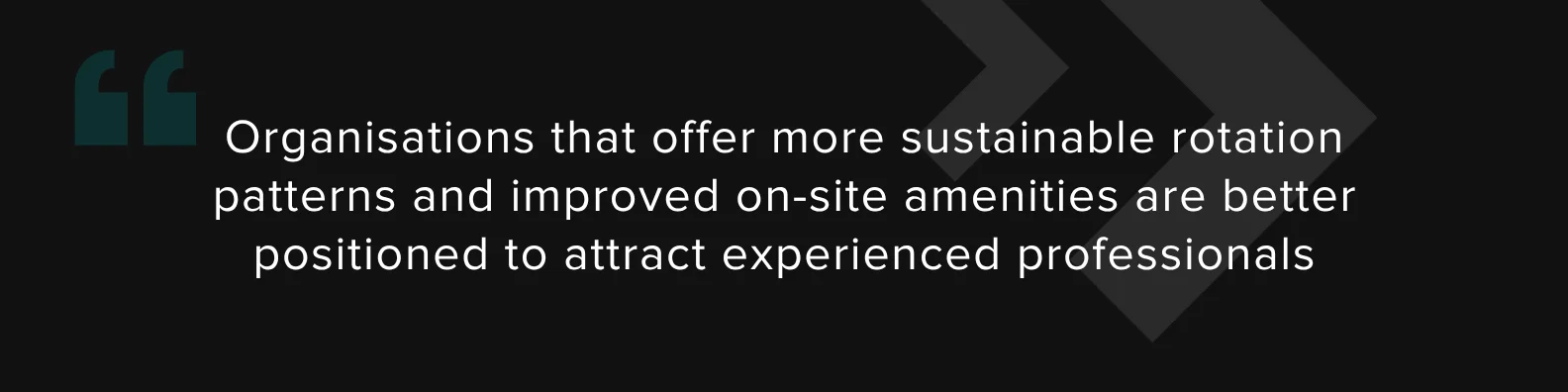
Looking back to the COVID pandemic, the expectation for work-life balance changed in a way that most industries have responded to, but the challenge for mine operators is providing flexibility despite on-site requirements. The roster cannot be fully redesigned around individual preference, but organisations that offer more sustainable rotation patterns and improved on-site amenities are better positioned to attract experienced professionals.
Western Australia and Queensland have both strengthened the requirements around psychosocial safety in the workplace by extending the legal definition of duty of care to include the mental health, psychological wellbeing, and cultural experience of workers on site.
This reflects the recognition that mental health conditions are now the fastest-growing challenge in Australian workplaces, with serious mental health claims in the resources sector increasing by 14.7% in the past year alone.
This has a significant impact on leadership, as mine managers or project directors who lack the emotional intelligence to lead a psychologically safe environment are now a legal and financial risk. The tough and direct management style that was once an indicator of strength in site leadership is now the kind of behaviour that generates formal complaints, impacts collaboration, and ultimately increases turnover.
To run a major Australian mining operation in 2026, you need someone who is technically strong enough to earn the respect of an experienced site crew, operationally experienced enough to manage a complex, high-risk environment, and emotionally intelligent enough to lead a modern, diverse workforce. Finding senior leaders with this combination of skills through a standard recruitment process is increasingly unlikely.
The talent challenges facing Australian mining mean that the way most organisations approach recruitment is not adequate for the scale of the problem. The most experienced and capable mining leaders in Australia are typically not looking for a new role, with most senior talent only accessible through direct, relationship-based approaches from experts who already operate within the same professional network.
A specialist mining executive search partner understand the specific nuances of the sector. For example, the difference between a Greenfield project start-up and a Brownfield expansion impacts the profile of the leader you need, the experience that matters, and the specific operational and community challenges they will face. A recruitment specialist who has spent years working within the Australian mining sector understands the difference instinctively and will not waste a hiring manager’s time by presenting candidates who do not understand the specific commodity or regional context.
CSG Talent works with mining and resources companies both in Australia and globally to identify and secure senior leaders and technical professionals who are a strong fit for the demands of the current market. Our mining recruitment specialists take the time to understand potential candidates and assess whether they are a genuine fit for your specific organisation, significantly reducing the risk and time burden for critical hires.
Contact our mining recruitment team to secure the senior-level talent shaping the future of the industry.